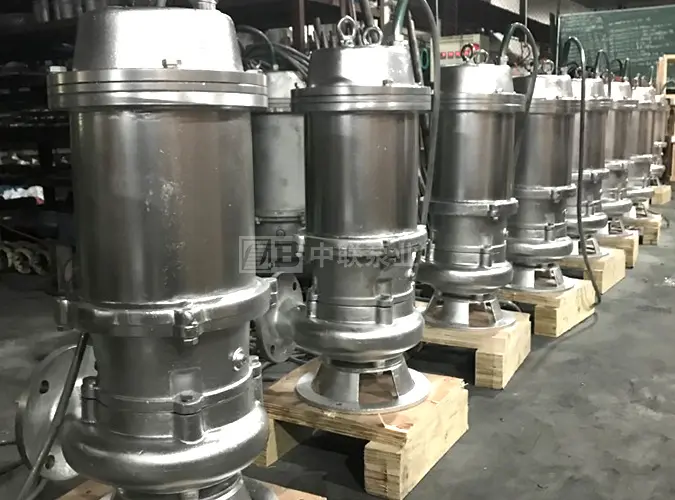
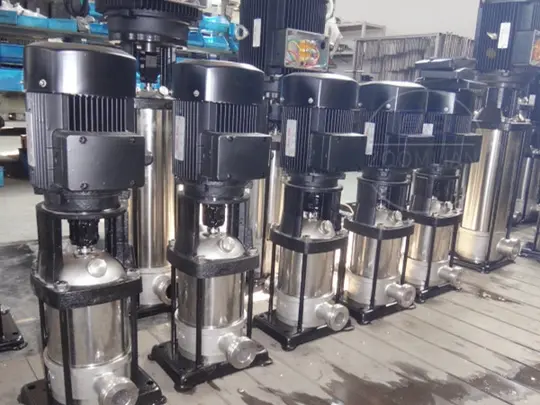
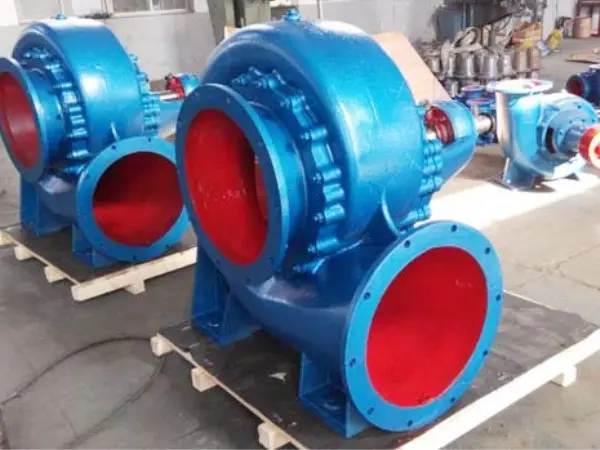
Having 26 series -312 varieties - over 1000 pump models

Focused on water pump research and development manufacturing for 36 years

Free training for operation and maintenance personnel/free installation guidance/free provision of installation drawings
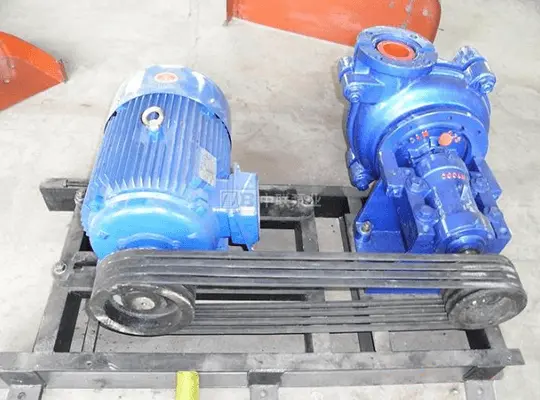
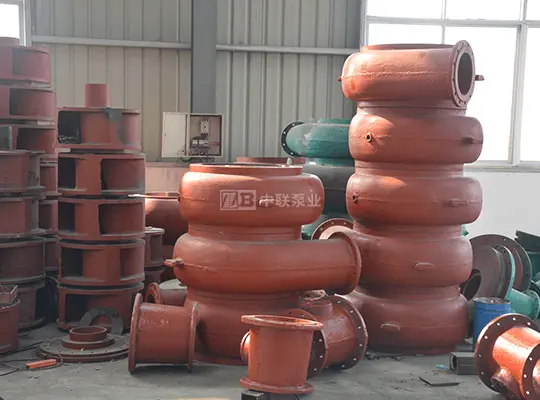
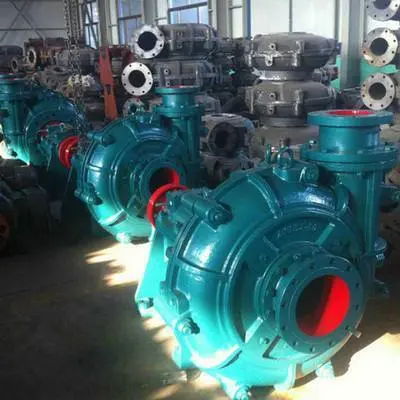
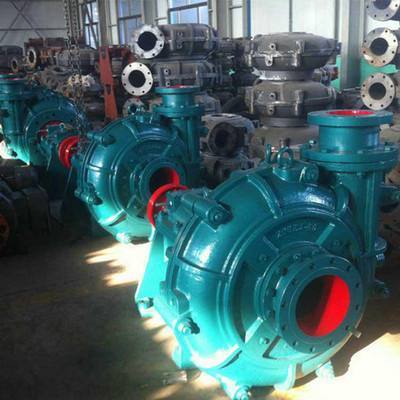
PS-type horizontal slurry pump


classification:

Slurry pump

keyword:

Horizontal Single-Stage Fire Pump

Product overview Product parameters Why choose us? Frequently Asked Questions

Product Overview

The PS-type horizontal slurry pump is a horizontal, side-inlet centrifugal slurry pump suitable for conveying slurries—liquid mixtures containing solid particles and water—as well as slurries with suspended solids. It finds applications in various industries, such as mineral processing plants for pumping concentrate slurries and tailings, coal preparation plants for transporting media, aluminum plants for handling high-temperature slurries prone to crystallization, and cement plants for conveying slurry materials. In the steel industry, it is primarily used for slurry transport in systems including converter dust removal water, blast furnace gas washing water, continuous casting dirty circulating water, and rolling mill dirty circulating water. The pump can handle slurries with a maximum concentration of 60–70% (by weight). It is mainly applicable to industries including mining, power generation, dredging, metallurgy, chemical engineering, building materials, and petroleum.

The flow-through components of the PS-type centrifugal slurry pump are made from alloy wear-resistant materials, ensuring a long service life and extended maintenance intervals. This pump model features two slurry inlets, allowing flexible selection based on equipment layout requirements. When replacing wearing parts (such as the impeller, guard plates, or pump body), there is no need to move the pipelines or the motor. The pump is also equipped with a rocker arm mechanism for lifting the pump body (the 21/2PS sand pump does not have this rocker arm mechanism). The clearance between the impeller and the guard plates can be adjusted to maintain a consistent flow rate.

The shaft seal adopts a low-pressure packing design, which is simple and reliable. During pump operation, a small amount of clean water must be supplied to provide lubrication and cooling. It also has a certain self-priming capability; however, it is generally recommended to install the pump at an elevated position for filling and operation.

The PS-type horizontal slurry pump rotates clockwise when viewed from the drive end.

Product Parameters

The structure of the PS-type horizontal centrifugal slurry pump is as follows:
(1) Pump head structure: The pump body features a double-layer pump casing (a dual-metal structure, both inner and outer layers). The double-casing design adopts a vertical, mid-opening configuration, and the outlet port can be installed and used at eight different positions, each spaced at 45° intervals. To effectively prevent shaft seal leakage, a combination of dynamic sealing, packing sealing, or mechanical sealing is employed. A labyrinth-type clearance seal is provided between the impeller and the rear guard plate, significantly reducing the leakage of slurry into the packing chamber and thereby ensuring the reliability of the seal. The impeller is equipped with back vanes that promptly discharge recirculating slurry, thus improving volumetric efficiency, reducing backflow and erosion, and extending the service life of the flow passage components. For ease of maintenance and disassembly, a removal ring is incorporated to prevent shaft cutting caused by inability to remove components.
(2) Bracket structure. The bracket structure features a horizontally split design. To extend the service life of the bearings, it has been optimized from both hydraulic and structural design perspectives. This ensures a rational distribution of radial and axial forces, and proper selection of bearing type, model, cooling, and lubrication methods, thereby meeting the requirements for low bearing heat generation and long service life.
(3) Shaft seal configuration. The shaft seal assembly provides a sealing function between the pump casing and the pump shaft, preventing air from entering the pump and excessive water from leaking out. Centrifugal slurry pumps typically employ a combination of an auxiliary impeller and a packing seal as their sealing mechanism. This auxiliary impeller-plus-packing seal is a hydrodynamic seal that relies on the head generated by the auxiliary impeller to counteract the outward leakage of liquid from the impeller outlet. At the same time, the impeller cover plate is equipped with back vanes, a water seal ring, and packing material to prevent air from entering the pump. Additionally, the back vanes and water seal ring help reduce the pressure at the packing location, thereby effectively preventing impurities from entering the seal area.
 

Installation of PS-type Horizontal Centrifugal Slurry Pump

The following checks should be performed when installing the slurry pump:
(1) The dimensions, location, and elevation of the foundation shall comply with design requirements. The anchor bolts must be properly and correctly embedded in the concrete foundation, and the machinery should be free from missing parts, damage, or rust.
(2) Based on the characteristics of the medium conveyed by the slurry pump, it is necessary to verify the materials of key components, shaft seals, and gaskets when required.
(3) The leveling and alignment of slurry pumps shall comply with the equipment’s technical specifications. If no specific provisions are given, they shall comply with the current national standard “General Code for Construction and Acceptance of Mechanical Equipment Installation Engineering.”
(4) The installation of all pipelines and fittings connected to the slurry pump, as well as the cleaning requirements for lubrication oil pipelines, shall comply with the provisions of relevant national standards.
 

Startup conditions

(1) Before starting, inspect the slurry pump according to the standard inspection requirements for pumps.
(2) Confirm that the slurry pump pipeline is clear, the thickening tank has been selected, the inlet water valve is open, the selected thickener is running, the thickener’s slag discharge valve and flush valve are closed, and the slag discharge pump is interlocked.
(3) Check that the slag pool is free of debris and that the water level is greater than 1.2 m.
(4) Check that the corresponding agitator for the slurry pump has been started and is operating normally.
(5) Set the slurry pump frequency converter to less than 10%.
(6) Start the slurry pump on the DCS. After the outlet valve is fully open, gradually adjust the frequency of the variable-frequency drive to ensure that the water flow rate meets the requirements of the recycled water tank.
(7) After the slurry pump starts up normally, pay attention to the coordination between the slurry pump’s water discharge and the return water pump’s water discharge, as well as the water temperature of the slag removal machine.
 

Debugging and Running Operations

The trial operation of the slurry pump shall meet the following requirements:
(1) The rotation direction of the drive motor should be the same as that of the pump.
(2) All fixed connections should be free of looseness, and the type and quantity of lubricant added to each lubrication point must comply with the equipment’s technical specifications.
(3) Parts requiring pre-lubrication shall be pre-lubricated according to the specified procedures.
(4) All indicating instruments and safety protection devices shall be sensitive, accurate, and reliable.
(5) The turning of the rotor should be smooth and free of any abnormal phenomena.
(6) Before the high-temperature pump is put into trial operation, the pump body should be preheated. The temperature should rise uniformly, with an hourly temperature increase not exceeding 500%. The temperature difference between the pump body surface and the process pipeline connected to the working medium inlet should not exceed 400℃.
(7) Install a connection device to eliminate the effects of temperature rise, and install a bypass connection device to provide a cooling water source.
The following points should be noted when operating a slurry pump:
(1) Do not operate without water; do not adjust the suction inlet to reduce the flow rate; and do not operate at excessively low flow rates.
(2) Monitor the operation process thoroughly to prevent packing box leakage. When replacing the packing box, use new packing material.
(3) Ensure that the mechanical seal has an adequate flow of flushing water; excessive water flow is prohibited for water-cooled bearings.
(4) Do not use excessive lubricant;
(5) Perform inspections at the recommended intervals; establish operational records that include operating hours, adjustments and replacements of packing materials, addition of lubricants, and other maintenance activities and their timing. Regularly measure and record the suction and discharge pressures, flow rates, input power, temperatures of wash liquids and bearings, as well as vibration levels of centrifugal pumps.
 

Wear factors of slurry pumps

The factors contributing to the wear of slurry pumps include the following aspects:
1) Medium characteristics.
2) Material properties.
3) Interaction between the abrasive and the material.
The main approaches to improving the service life of pump flow components include selecting appropriate materials, choosing the right pump model, and optimizing hydraulic design.
 
When a slurry pump is used to convey solid-liquid mixtures, the most severely worn component is the impeller, followed by the pump casing or other flow-path components such as the sleeve and guard plates. The wear of the pump depends on the intrinsic relationships among the following parameters:
1) Rheological properties of solid-liquid mixed flows.
2) Particle size, particle shape, hardness, and density of solid particles, etc.
3) Pump structural type and parameters.
4) Pump speed or impeller peripheral velocity.
5) The performance of pump materials, such as hardness, strength (elongation, acid and alkali resistance, heat resistance), etc.
Among the factors affecting the service life of slurry pumps, the first is the material performance, the second is the properties of the medium, and the third is the pump’s structural and hydraulic parameters; operating conditions rank last.
 

Slurry Pump Maintenance

The following points should be noted when maintaining slurry pumps:
(1) The bearing’s water pressure and water volume must meet the specified requirements. Adjust (or replace) the packing tightness as needed at all times, and be careful not to allow leakage of slurry from the shaft seal. Also, promptly replace the shaft sleeve.
(2) When replacing the bearing, it is essential to ensure that the bearing assembly is free of dust and that the lubricating oil is clean. During pump operation, the bearing temperature should generally not exceed 60–65℃, with a maximum allowable temperature of no more than 75℃.
(3) Ensure the coaxial alignment between the motor and the pump, and verify that the elastic spacer in the coupling is intact and correctly positioned. Replace it promptly if it becomes damaged.
(4) Ensure that the pump assembly and piping system are installed correctly and securely.
(5) Some components of slurry pumps are wear parts. During daily operation, it is important to monitor the wear condition of these parts and promptly repair or replace them as needed. During the maintenance or replacement of slurry pump wear parts, ensure that assembly is correct and clearances are properly adjusted to prevent tightness and friction.
(6) The suction piping system of the slurry pump must be completely leak-free. During operation, attention should also be paid to whether the suction inlet is blocked. Since the media handled by the slurry pump often contain solid particles, the screen installed in the pump sump should meet the particle size requirements of the slurry pump, thereby reducing the likelihood of oversized particles or long fibrous materials entering the pump body and causing blockages.
 
Friendly reminder: For more performance parameters of the PS-type horizontal slurry pump, please click → [Pump Selection] page to view.

Why choose us?

Changsha Zhonghlian Pump Industry Co., Ltd. was founded in 1989 and was independently established after the restructuring of Changsha Water Pump Factory. It is a comprehensive national high-tech enterprise integrating design, research and development, manufacturing, and service. The company was listed on the Hunan Provincial Equity Exchange on December 31, 2019, with the abbreviation "Zhonghlian Pump Industry" and the equity code: 600275HN. It is currently a key backbone enterprise in China's centrifugal pump industry and one of the major professional manufacturers of multi-stage pumps in the country. The headquarters is located in Changsha City, Hunan Province, a historical and cultural city in China.

41000 m²

Square meters of land area

100 %

100% factory pass rate

41000 m²

Square meters of land area

100 %

100% factory pass rate

Image Name

Q

What is your typical delivery time?

A

Models in stock can be shipped the next day at the latest. All others are custom-made, with lead times generally ranging from 7 to 90 days depending on the product size and project specifics. Please contact our sales manager for details: 0731-88632200 。

Q

Do you have centrifugal pumps in stock?

A

Centrifugal pumps come in numerous models and configurations. Except for a small number of high-volume, standard models that are in stock, the vast majority are not stocked and are customized products. We need to select a pump based on your site's flow rate, head, media temperature, pH value, and installation conditions, etc., to determine the pump model and configuration before we can submit an order to the factory for production.

Q

What information should I provide when requesting a quote?

A

Generally, to obtain an accurate quotation, we recommend providing us with the following information: pump flow rate, head, on-site operating voltage and frequency, temperature, pH value, and solid particle content of the fluid being conveyed, and on-site installation conditions (horizontal or vertical installation), etc.

If you are not sure, don't worry, our business managers will assist you in determining this.

Q

What products do you mainly produce?

A

Zhonglian Pump Industry manufactures various large industrial centrifugal pumps. Main products include: self-balancing multi-stage pumps, multi-stage centrifugal pumps, single-stage centrifugal pumps, split-case pumps, chemical pumps, submersible pumps, pipeline pumps, long-shaft pumps, condensate pumps, etc.

Q

Could you help me with the selection?

A

Certainly! If the water pump model is not selected accurately, there will be big problems. If you choose a smaller one, it won't meet your needs; if you choose a larger one, it will waste electricity and fuel, increasing your costs.

Q

Why is it so slow to get a price quote?

A

Because centrifugal pumps are non-standard customized products with many models, the price range is also very large. Even for the same model, the price difference is also very large due to different materials and configurations. Taking the most common water pump accessory—the impeller—as an example, the price of a stainless steel impeller is several times that of a cast iron impeller. Therefore, we need to clarify the relevant information to give you an accurate price. Normally, if you provide relatively comprehensive information, we can quote within 5 minutes.

Product message

*Note: Please fill in the information accurately and keep the communication open. We will contact you as soon as possible.