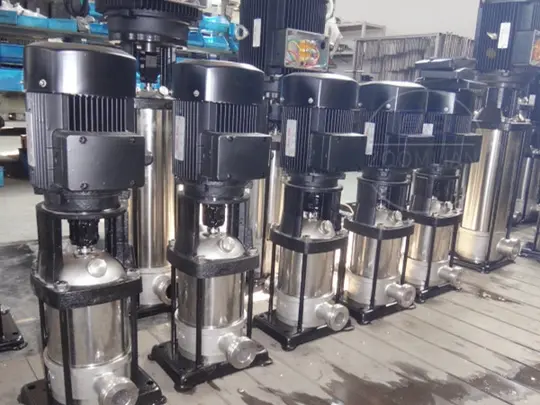
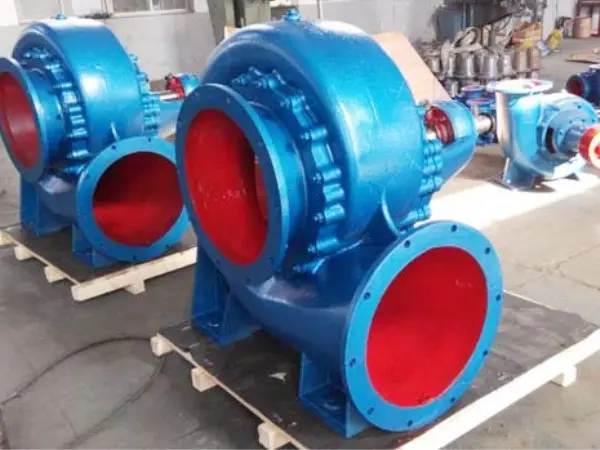
Having 26 series -312 varieties - over 1000 pump models

Focused on water pump research and development manufacturing for 36 years

Free training for operation and maintenance personnel/free installation guidance/free provision of installation drawings
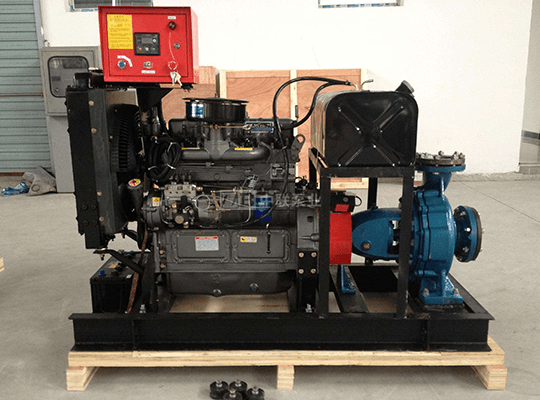
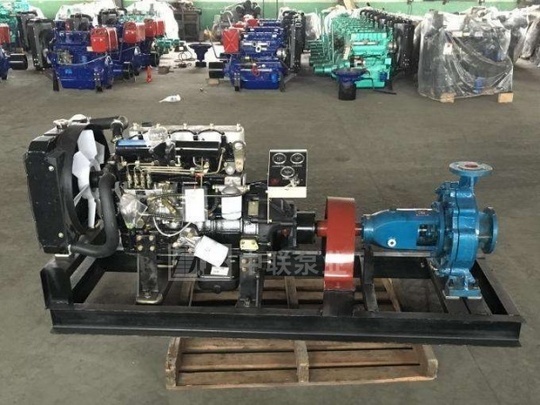
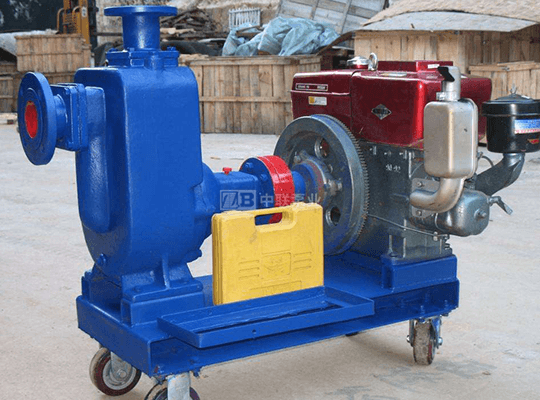
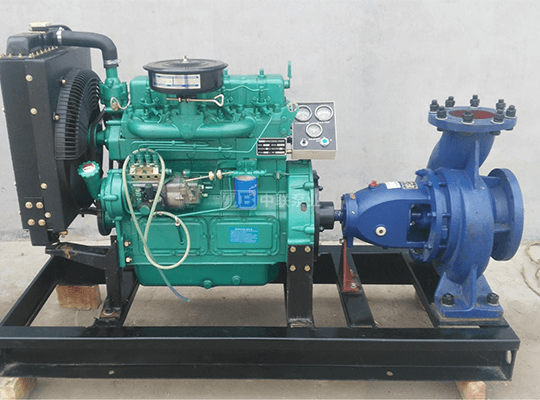
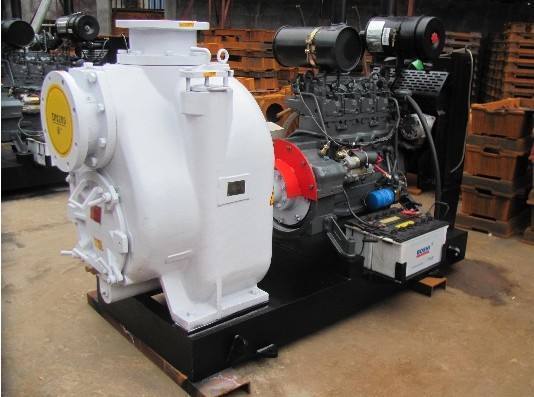
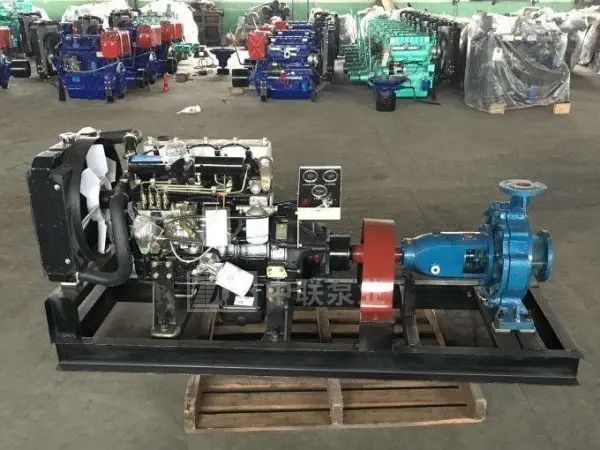
Chemical diesel engine pump unit


classification:

Diesel engine pump

keyword:

Horizontal Single-Stage Fire Pump

Product overview Product parameters Why choose us? Frequently Asked Questions

Product Overview

  The IH-type chemical diesel pump unit is a single-stage, single-suction, cantilever centrifugal pump. Its marked rated performance points and dimensions comply with the international standard ISO 2858-1975(E). This product is an energy-saving replacement and upgrade for the F-type corrosion-resistant pumps. This series... Chemical centrifugal pump Designed according to the performance, technical requirements, and testing methods for energy-saving pumps, this product is one of the energy-efficient pump models promoted in China. It was jointly developed by the technical staff of Changsha Zhonglian Pump Industry Co., Ltd. and leading domestic pump experts, who selected an outstanding hydraulic model from China for its design. This pump is suitable for conveying clean water and liquids with physical and chemical properties similar to water, provided that these liquids do not contain solid particles. It is widely used in industrial, agricultural, and municipal drainage systems, as well as fire-fighting water supply applications. The pump can also handle corrosive media or media with physical and chemical properties similar to water, at temperatures ranging from 20°C to 105°C.

  The IH-type chemical diesel pump unit is designed to handle media with temperatures ranging from -20℃ to 105℃. When required, it can be equipped with a double-end-face seal cooling system, enabling it to convey media at temperatures from 20℃ to +280℃. This unit is suitable for use in industries such as chemical processing, petroleum, metallurgy, power generation, papermaking, food processing, pharmaceuticals, environmental protection, wastewater treatment, and synthetic fibers, where it can transport various corrosive or non-contaminating media similar to water.

Product Parameters

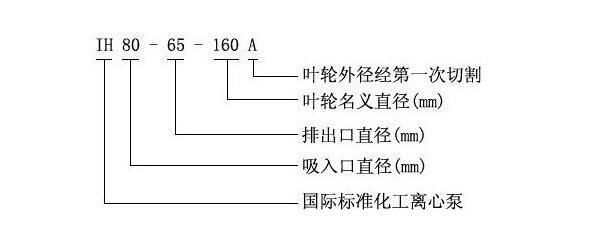
Performance Range and Model Significance of Chemical Diesel Engine Pump Units:

  Flow rate Q: 3.4–1080 m³/h Head H: 3–200 m

  Rotational speed n: 2900, 1450 r/min Rated power: 0.55–160 kW

  Import diameter: 50–200 mm                     Maximum working pressure: 1.6 MPa

  The IH-type chemical pump comes in 29 basic models, of which 22 are dual-speed (2900 and 1450 rpm). After undergoing diameter modifications through cutting of impeller blades in two types—A and B—their specifications expand to a total of 112 variants.

  Note: In addition to the materials listed in the table above, the manufacturer may also select materials suitable for producing this series of chemical pumps according to the user’s requirements. The selected materials and their corresponding designations shall, in principle, comply with GB2100-80. For materials for which the national standards have not yet specified designations, it is permissible to adopt internationally or domestically recognized material designations (such as those stipulated by industry or factory standards).


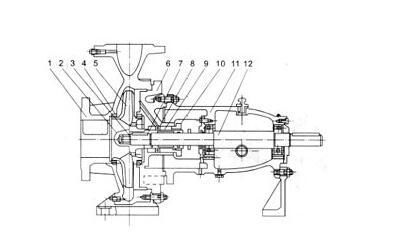
Structural features of chemical diesel pump units:


  1 Pump body, 2 Impeller nut, 3 Brake pad nut, 4 Seal, 5 Impeller, 6 Pump cover, 7 Shaft key, 8 Packing ring, 9 Packing, 10 Packing gland, 11 Suspension bearing assembly, 12 Shaft.

  The pump cover of the IH-type chemical diesel pump unit is secured to the intermediate support via a locating shoulder. The pump cover is then clamped in place between the intermediate support and the pump body by means of a mating shoulder connection between the pump body and the intermediate support. The pump features axial suction and radial discharge, and it is supported on feet, allowing direct mounting onto a base. The suspension components are fixed to the intermediate support via locating shoulders and are supported on the base by suspension brackets. To facilitate disassembly, an extended coupling has been designed, enabling maintenance without having to remove the inlet and outlet piping, as well as the pump body and motor. By simply removing the middle coupling component, the rotor assembly can be extracted for inspection and maintenance. This is a structurally standardized design commonly used worldwide.

  The IH-type chemical pump diesel engine pump unit features a reasonably designed and reliable hydraulic performance, compact size, light weight, excellent cavitation resistance, low power consumption, convenient operation and maintenance, and high working efficiency. The IH-type chemical diesel engine pump unit has a horizontal structure, and its structural design can basically meet the requirements of all pipeline installations.

  Rotation Direction: The IH-type chemical diesel pump unit is directly driven by an electric motor via an extended coupling. When viewed from the motor end, it rotates in a clockwise direction.

  Gland Seal: The pump cover is equipped with a gland chamber that uses a soft packing seal. A water supply at a certain pressure can be introduced into the gland chamber for sealing cooling, lubrication, and cleaning purposes.

  Mechanical seals: There are two types—single-face mechanical seals and double-face mechanical seals. A certain pressure of water is introduced into the sealing chamber to flush and lubricate the friction surfaces at both ends, while also serving a cooling function.

  The pump sealing type can be either packing seal or mechanical seal, selected by the user according to specific requirements. Additionally, as needed, sealing types with shaft seals conforming to the cavity dimensions and other structural features specified in ISO 3069 may also be adopted—for example, mechanical seals equipped with bellows and auxiliary impeller seals, among others.


Operating Instructions for Chemical Diesel Engine Pump Units:

  1. Preparations Before Starting

  (1) Before starting up, the pump and the site must be thoroughly cleaned.

  (2) Check whether the lubricant level inside the bracket is appropriate (the oil level should be about 2 mm above the center line of the oil-level gauge) and ensure that the oil-level gauge is in good condition.

  (3) Before connecting the coupling, check the rotation direction of the prime mover. After confirming that it matches the pump’s rotation-direction arrow, connect the coupling properly.

  (4) After installing the mechanical seal, packing, and coupling, you should be able to turn the pump shaft smoothly by hand without any rubbing or scraping. Also, make sure to install the coupling guard properly.

  (5) When the pump is used in suction mode, it should be primed or evacuated before starting. When the pump is used in backflow mode, it should be completely filled with the liquid being conveyed before starting; after removing all air from the pump, close the gate valve on the discharge pipe.

  (6) Before starting up, check whether the foundation bolts are loose, whether the gland is skewed, and whether the lubricating oil and cooling water supplies are adequate.

  2. Start-up

  (1) Close the inlet and outlet pressure (or vacuum) gauges and the discharge valve. (If a bypass line is present, close it as well.) Start the motor—preferably by jogging it first to confirm that the pump is rotating in the correct direction before starting full operation. Then, open the inlet and outlet pressure (or vacuum) gauges. Once the pump reaches its normal speed and the gauges indicate the corresponding pressure, slowly open the discharge valve and adjust it to the desired operating conditions. Under the condition that the discharge pipeline is closed, the pump must not run continuously for more than 3 minutes.

  (2) During startup, pay close attention at all times to the power reading of the prime mover and the vibration condition of the pump. The vibration amplitude should not exceed 0.06 millimeters; the measurement point is the bearing housing.

  (3) Sealing condition: Mechanical seals should show no leakage or overheating, and packed gland seals should exhibit a continuous dripping flow.

  3. Run

  (1) Regularly check the temperature rise of the pump and motor (the bearing temperature rise should not exceed 75℃) as well as the oil level indicator’s oil supply condition. (Generally, the lubricating oil should be completely replaced every 1,500 hours of operation.)

  (2) Do not use the suction valve to regulate flow, as this could lead to cavitation.

  (3) The pump should not be operated continuously at a flow rate lower than 30% of the design flow rate. If continuous operation under such conditions is unavoidable, a bypass pipe should be installed at the pump outlet to discharge the excess flow.

  (4) Pay attention to whether there are any unusual noises during pump operation. If any abnormal conditions are detected, promptly eliminate the cause or stop the pump for inspection.

  4. Stop

  (1) Slowly close the gate valve on the discharge pipeline (if the pump is used in a backflow condition, also close the gate valve on the suction pipeline), and turn off the switches for all instruments.

  (2) Disconnect the power supply

  (3) If external liquid supply is used for sealing, the external liquid supply valve must also be closed.

  (4) If the ambient temperature falls below the liquid’s freezing point, drain all the liquid from the pump to prevent it from freezing and cracking.

  (5) If the pump is to be left idle for an extended period, in addition to draining all corrosive liquids from the pump, all components should be disassembled and thoroughly cleaned—especially the sealing chamber. Ideally, the pump should be removed, cleaned, and then reassembled. Besides applying oil for rust prevention and sealing the pump’s inlet and outlet ports, regular inspections are also recommended.


Mechanical Seal Maintenance:

  1. Since mechanical seals are generally designed for use in clean media free of suspended particles, newly installed piping systems and liquid storage tanks should be thoroughly flushed to prevent solid impurities from entering the sealing faces of the mechanical seal and causing it to fail.

  2. In media prone to crystallization, when using mechanical seals, pay attention to frequent flushing. Before restarting the equipment after a shutdown, be sure to thoroughly clean any crystals off the mechanical seal.

  3. When disassembling the mechanical seal, proceed with care and avoid using hand hammers or metal tools to strike it, as this could damage the sealing surfaces of the moving and stationary rings.

  4. If dirt cannot be removed, try to clean it off and rinse thoroughly before disassembling, so as to avoid damaging the sealing components.

  5. Before installing the mechanical seal, check all sealing components for any signs of failure or damage. If any are found, they should be repaired or replaced.

  6. The mating friction sealing surfaces of the rotating ring and the stationary ring must be carefully inspected, and no defects—such as even the slightest scratches or dents—are permitted. All component parts, including the pump body, impeller, and seal chamber, must be thoroughly cleaned before assembly. In particular, the end faces of the rotating and stationary rings should be meticulously wiped clean with a clean, soft cloth or cotton gauze, and then coated with a layer of clean grease or machine oil.

  7. During assembly, be sure to eliminate any deviations. When tightening screws, apply even pressure to avoid misalignment and prevent sealing failure.

  8. Adjust the compression of the spring correctly. After the pump is installed, when you manually turn the rotor, you should feel that the sealing spring has a certain amount of compression yet still rotates smoothly and freely without any binding or tightness. If it feels too tight or impossible to turn, you should loosen the spring slightly.

  9. For mechanical seals equipped with external flushing, before starting the pump, first turn on the flushing liquid to ensure that the seal chamber is completely filled with sealing fluid. When stopping the pump, first shut down the pump and then close the seal flushing liquid.

Friendly reminder: For performance parameters, please directly refer to the pump selection page.

Why choose us?

Changsha Zhonghlian Pump Industry Co., Ltd. was founded in 1989 and was independently established after the restructuring of Changsha Water Pump Factory. It is a comprehensive national high-tech enterprise integrating design, research and development, manufacturing, and service. The company was listed on the Hunan Provincial Equity Exchange on December 31, 2019, with the abbreviation "Zhonghlian Pump Industry" and the equity code: 600275HN. It is currently a key backbone enterprise in China's centrifugal pump industry and one of the major professional manufacturers of multi-stage pumps in the country. The headquarters is located in Changsha City, Hunan Province, a historical and cultural city in China.

41000 m²

Square meters of land area

100 %

100% factory pass rate

41000 m²

Square meters of land area

100 %

100% factory pass rate

Image Name

Q

What is your typical delivery time?

A

Models in stock can be shipped the next day at the latest. All others are custom-made, with lead times generally ranging from 7 to 90 days depending on the product size and project specifics. Please contact our sales manager for details: 0731-88632200 。

Q

Do you have centrifugal pumps in stock?

A

Centrifugal pumps come in numerous models and configurations. Except for a small number of high-volume, standard models that are in stock, the vast majority are not stocked and are customized products. We need to select a pump based on your site's flow rate, head, media temperature, pH value, and installation conditions, etc., to determine the pump model and configuration before we can submit an order to the factory for production.

Q

What information should I provide when requesting a quote?

A

Generally, to obtain an accurate quotation, we recommend providing us with the following information: pump flow rate, head, on-site operating voltage and frequency, temperature, pH value, and solid particle content of the fluid being conveyed, and on-site installation conditions (horizontal or vertical installation), etc.

If you are not sure, don't worry, our business managers will assist you in determining this.

Q

What products do you mainly produce?

A

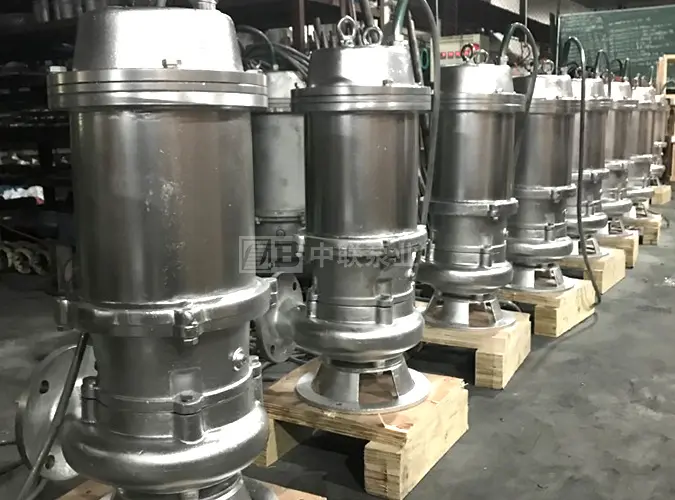
Zhonglian Pump Industry manufactures various large industrial centrifugal pumps. Main products include: self-balancing multi-stage pumps, multi-stage centrifugal pumps, single-stage centrifugal pumps, split-case pumps, chemical pumps, submersible pumps, pipeline pumps, long-shaft pumps, condensate pumps, etc.

Q

Could you help me with the selection?

A

Certainly! If the water pump model is not selected accurately, there will be big problems. If you choose a smaller one, it won't meet your needs; if you choose a larger one, it will waste electricity and fuel, increasing your costs.

Q

Why is it so slow to get a price quote?

A

Because centrifugal pumps are non-standard customized products with many models, the price range is also very large. Even for the same model, the price difference is also very large due to different materials and configurations. Taking the most common water pump accessory—the impeller—as an example, the price of a stainless steel impeller is several times that of a cast iron impeller. Therefore, we need to clarify the relevant information to give you an accurate price. Normally, if you provide relatively comprehensive information, we can quote within 5 minutes.

Product message

*Note: Please fill in the information accurately and keep the communication open. We will contact you as soon as possible.